Proven, Not Promised
A prosecutor's office runs on more than legal knowledge. It runs on people. Hundreds of them show up every day, and someone has to keep them trained, supported, and focused, even when resources run thin. Schedules need to hold up under pressure. Budgets need to stretch without breaking. And someone needs to catch problems before they turn into crises.
Danny Tarkenton has spent her career building exactly that kind of leadership, in the military, in the courtroom, and in her community. She doesn't just say she can manage an office. Her record shows it.
-
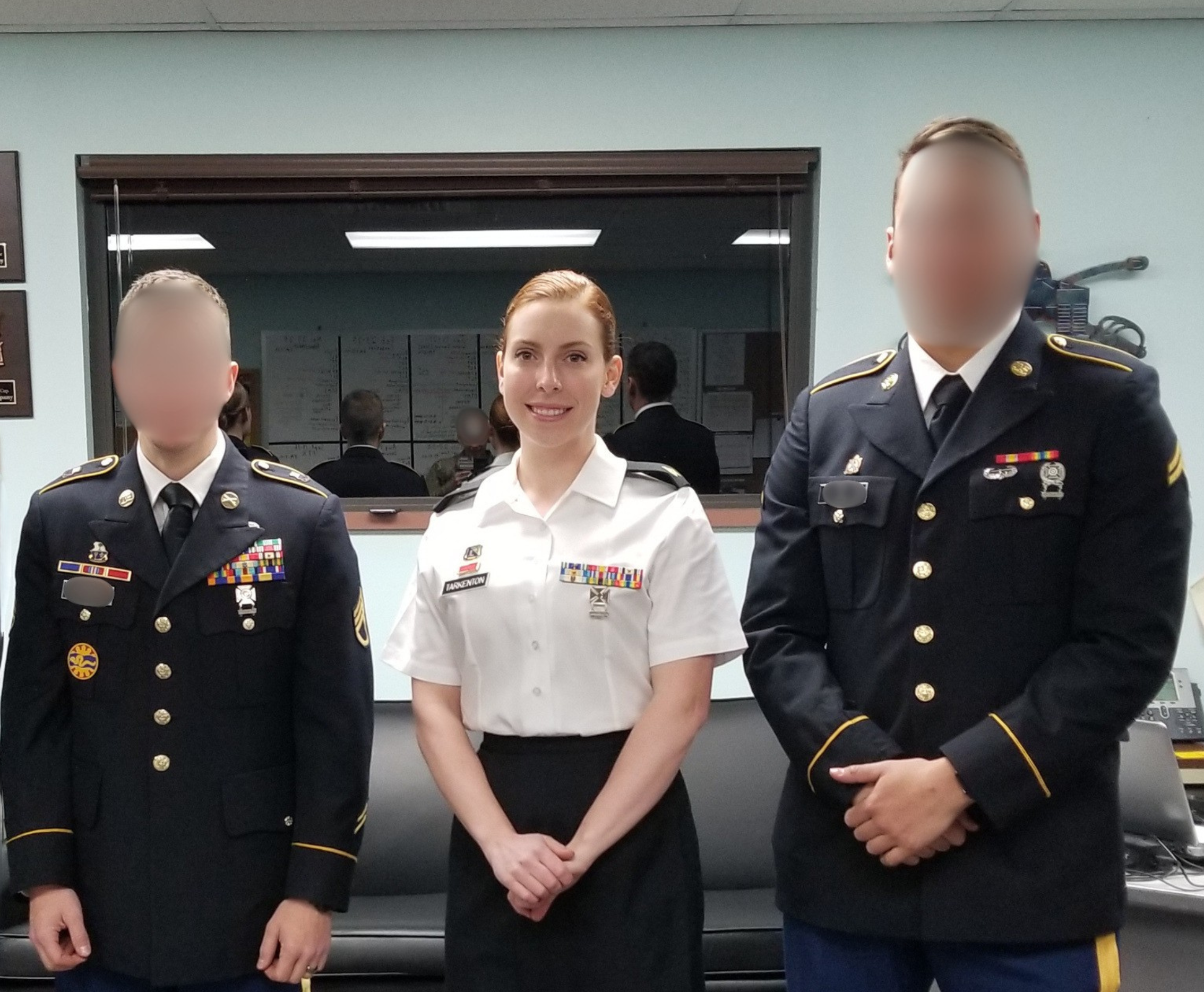
As Training NCO in the Washington Army National Guard's Recruiting and Retention Battalion, Danny helped run daily operations for a unit that managed anywhere from 150 to over 200 soldiers at a time, all moving through their initial training pipeline across Eastern Washington. The population never stayed the same for long. New soldiers rotated in constantly, so nothing could run on improvisation. It needed real systems.
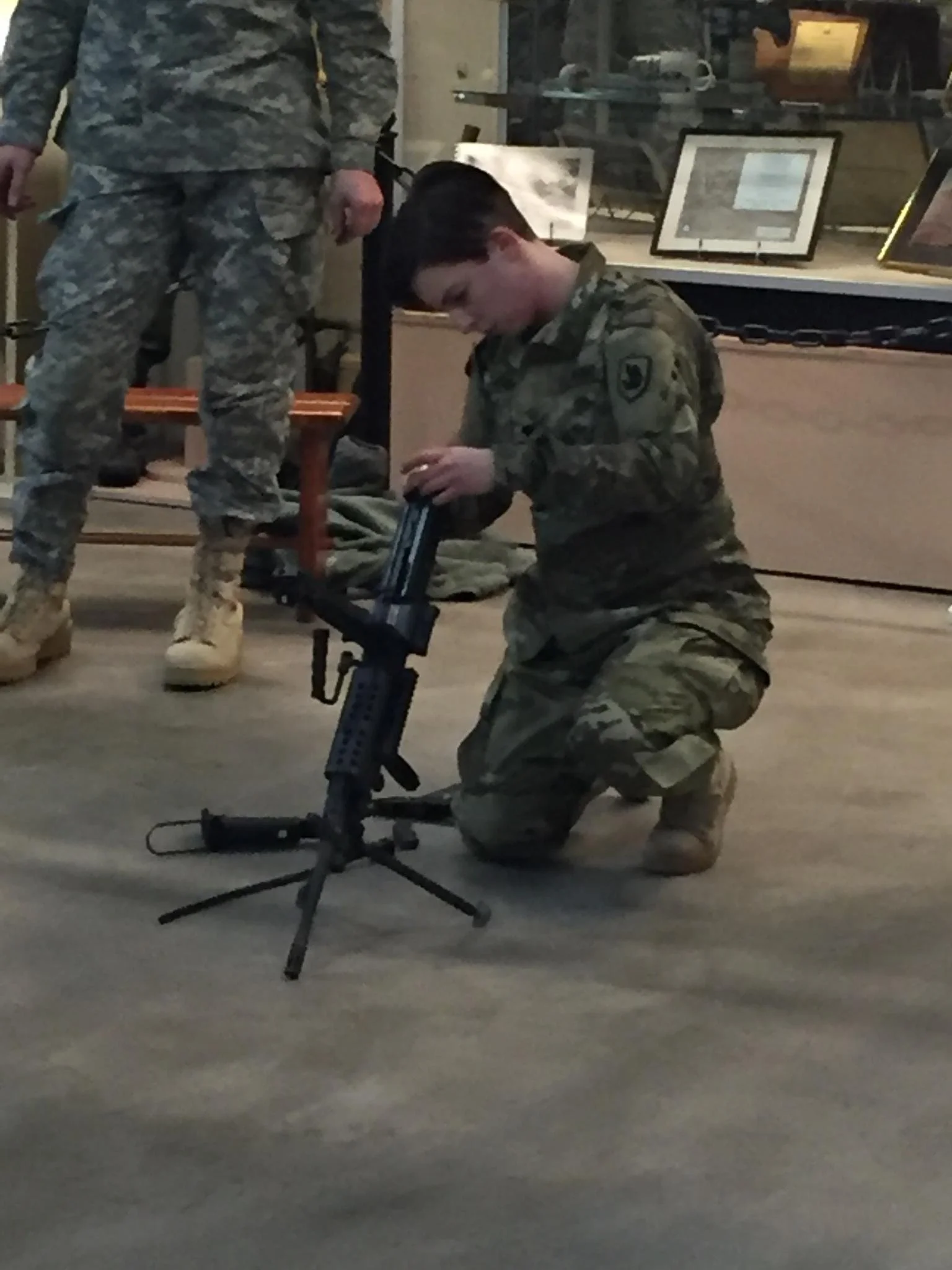
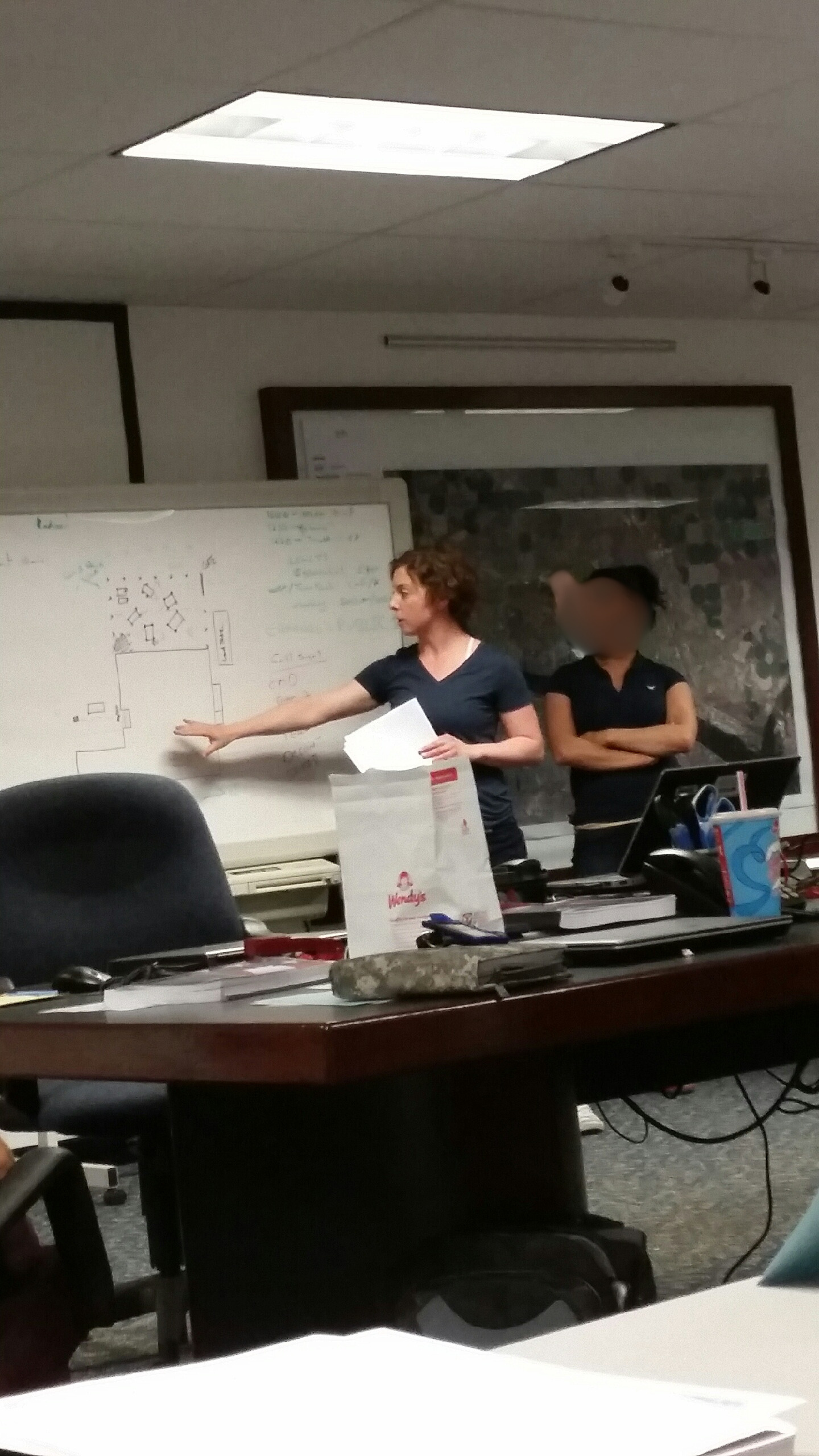
Danny built and ran those systems. She coordinated food, uniforms, and transportation for large groups on tight timelines. She built training schedules and handled official drill correspondence. She kept the unit's training equipment maintained and ready. She coordinated the logistics behind live training ranges. She managed staff assignments across the organization. And she personally tracked certification requirements for every soldier in the unit, including those who outranked her, so nothing slipped through the cracks.
The results speak for themselves. Under this leadership, the unit exceeded national quality-control and training-completion standards. It ran a dozen straight training events without a single safety incident. And it helped the battalion rank 6th in the nation on key performance metrics.
-
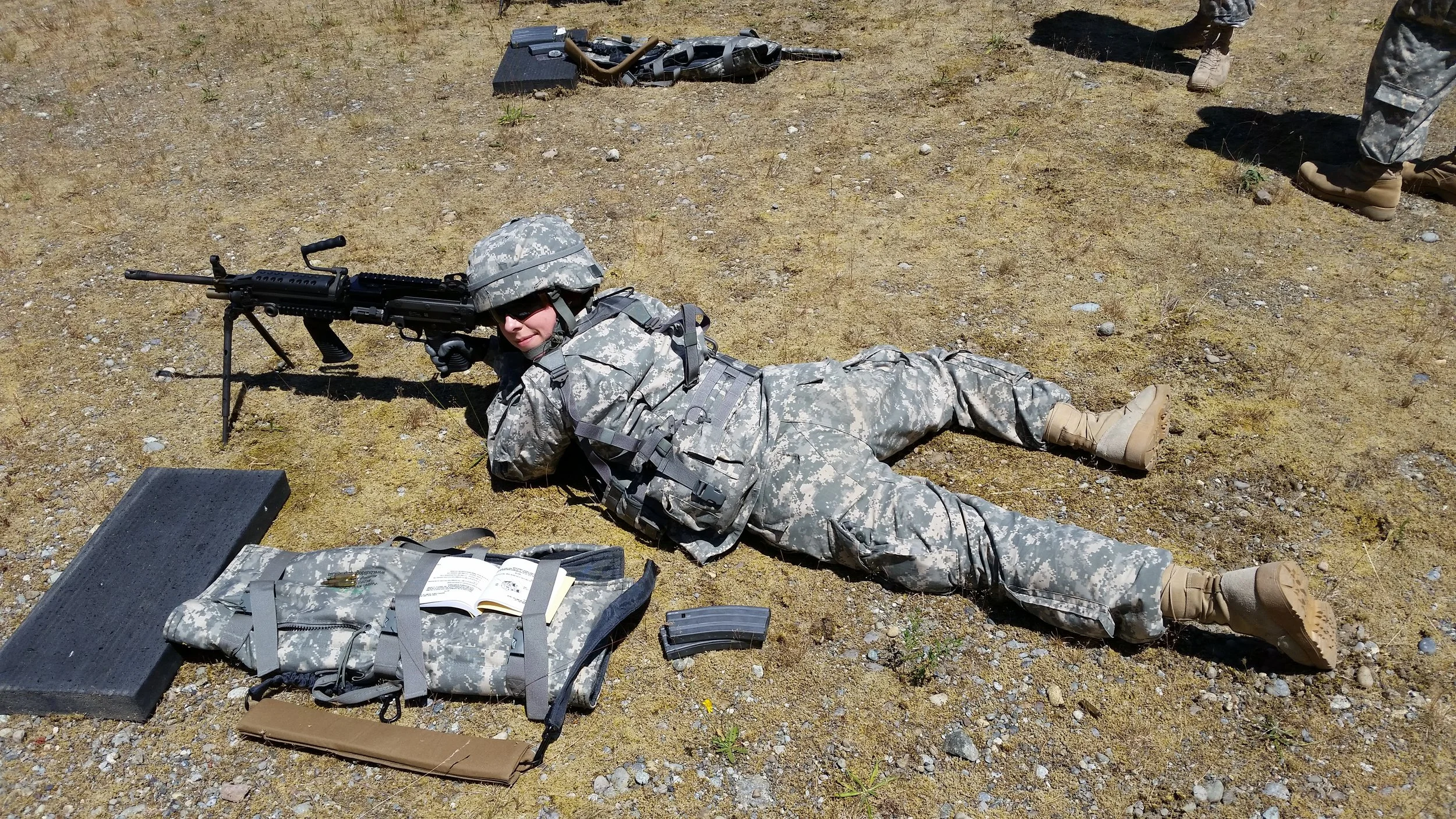
Danny doesn't wait for a program to land in her lap. She builds it herself. She personally designed and taught training curriculum, covering physical fitness, combatives, weapons familiarity, and CBRN operations. She volunteered extra time without anyone asking, including staying on post during drill weekends just to make sure operations kept running and soldiers were taken care of.
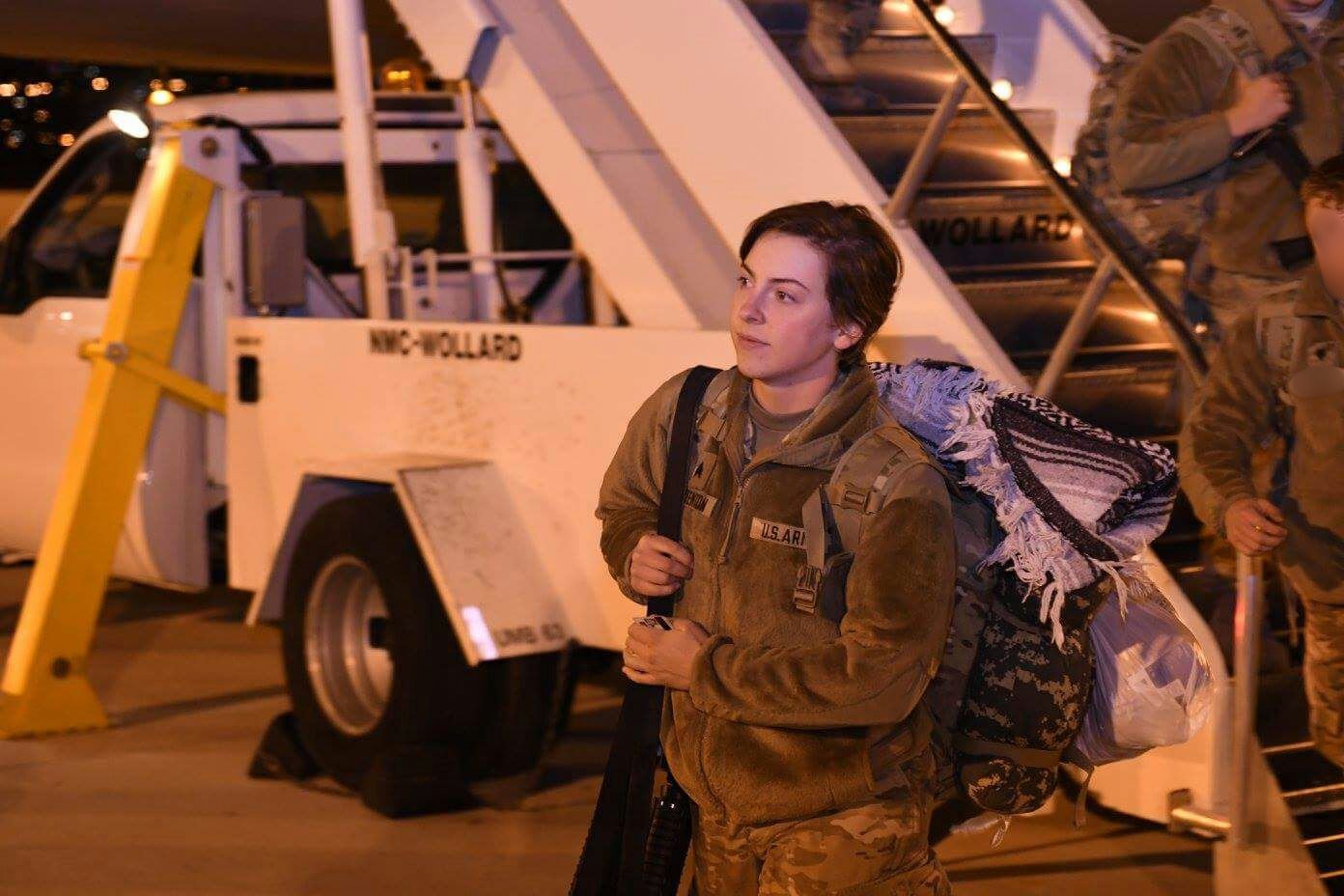
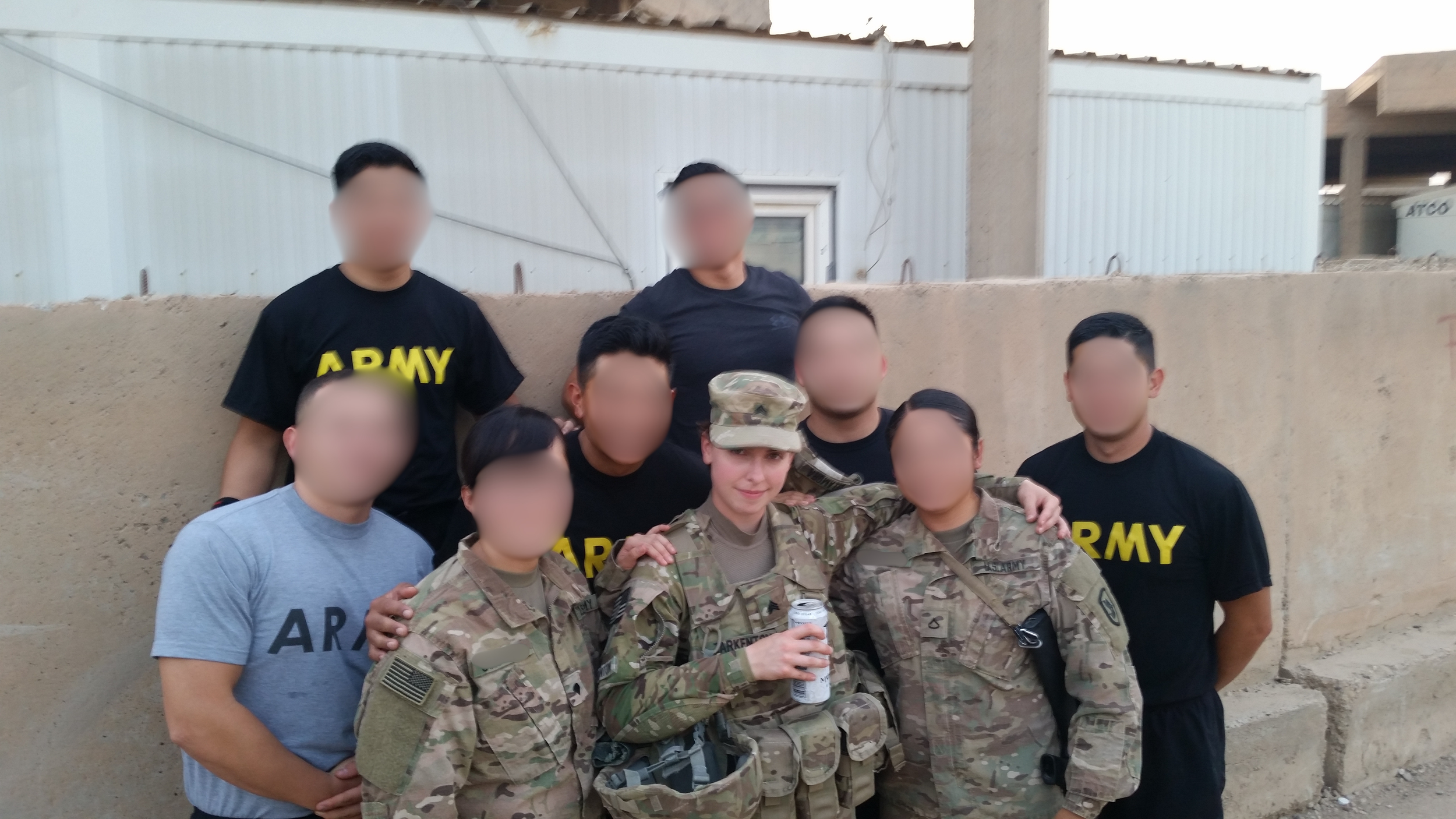
Her deployment to Iraq as a vertical engineer tells the same story. She had no background in construction or woodworking, but she learned the trade fast enough to complete 10 work order projects, including three of her unit's largest and most complex missions. On her own time and her own initiative, she built a physical training program to help her team avoid injury, and kept it running even after her unit started to split off throughout Iraq. That program helped her team leader and three fellow soldiers pass their fitness tests with scores well over 260. She also took the lead coordinating shipment logistics for another unit's engineer mission, working directly with battalion leadership to get it right. And she worked on an electrical installation team, helping wire nine newly built or renovated offices to code, work that gave her unit a secure operations room, a conference room, and a server room.
None of that was handed to her. She got dropped into unfamiliar systems, learned them quickly, and delivered results. That's exactly the instinct a busy, understaffed office needs from the person running it.
-
Danny's leadership didn't stop when she came home. As Vice President, instructor and organizer for Street Law, she coordinated a rotating team of volunteers to teach a real, structured curriculum to Spokane-area high schoolers, month after month. That meant recruiting volunteers, training them, scheduling them, and making sure the program actually delivered results for students. As Vice President of Pride Law, she managed club members, planned and ran community events, and led outreach connecting the organization with the broader LGBTQ+ community.
It's the same mix of people management, event logistics, and public-facing coordination that keeps any well-run office moving.
-
A pattern runs through all of this work. Danny doesn't wait for problems to become crises. She doesn't need a perfectly resourced environment to succeed. She has built training programs with no formal budget. She has learned entire trades on the fly. She has kept operations running smoothly across a rotating population of hundreds of people, whether in the military, in schools, or in her community, often wearing several hats at once because the job needed it, not because a title told her to.
That's not leadership on paper. That's a track record of doing the job: adapting quickly, solving problems early, and making every team and every office that crosses her path work better.